The Gut–Brain Axis Explained (and Why It Matters for Your Mood)
What is the Gut–Brain Axis (and why does it matter for your mood)?
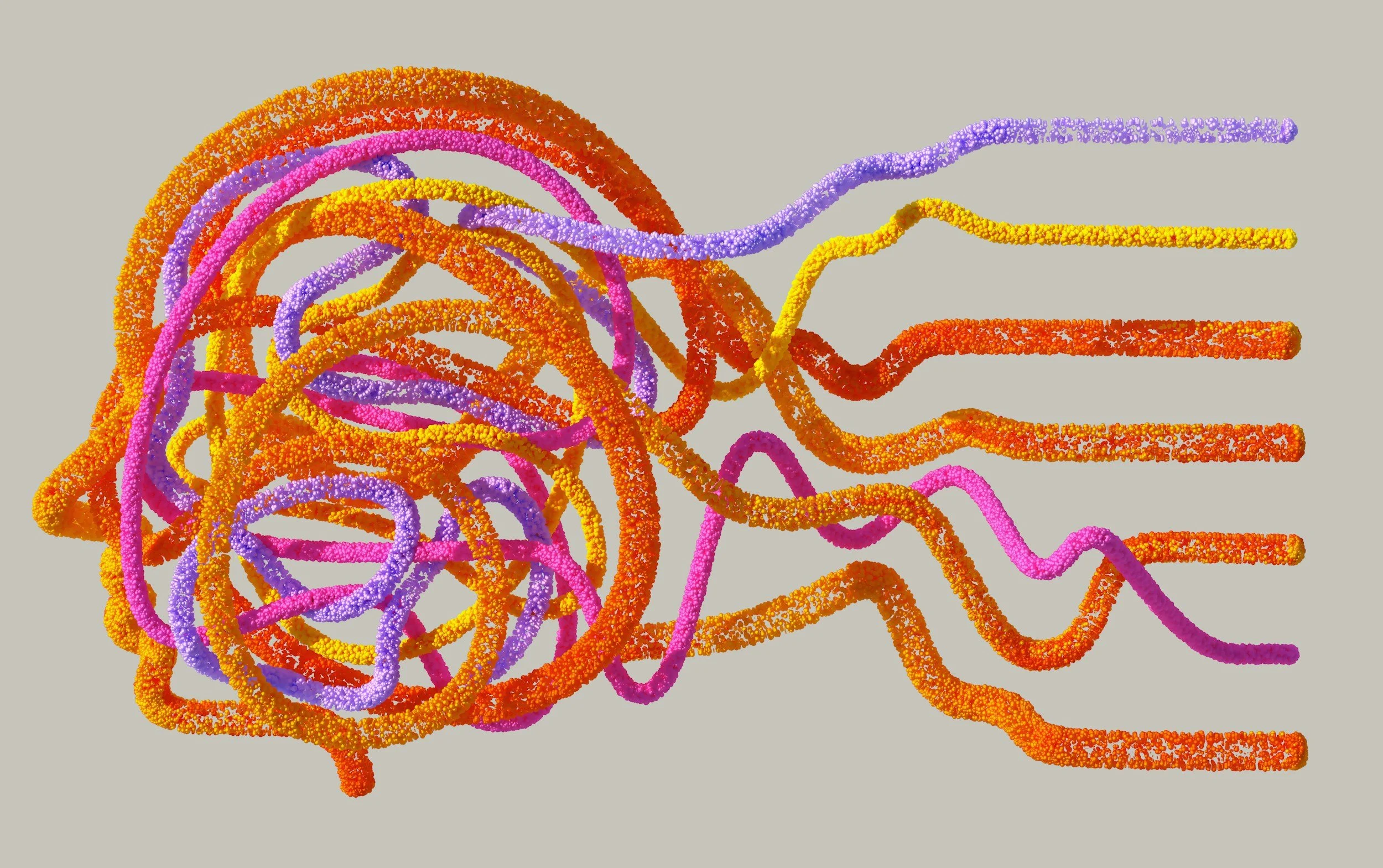
Most of us have heard of the gut–brain axis. If you’ve ever googled gut health, chances are you’ve come across the term—but what does it actually mean?
Put simply, the gut–brain axis is a two-way communication system between your brain and your digestive system. These two organs are constantly “talking” to each other via nerves, hormones, and immune signals.
We often hear the phrase “you are what you eat”—but what if that also applies to how you feel?
For a long time, we thought this connection was one-way (the brain influencing the gut). But we now know it goes both ways. The bacteria living in your gut can actually influence your mood, thoughts, and emotions… wild!
Your gut is doing more than you think
There are trillions of bacteria in your gut —collectively known as your gut microbiome.
These bacteria:
Help break down food
Support your immune system
Regulate inflammation
Produce compounds that influence mood and brain function
A large proportion of serotonin (often called the “feel good” chemical) is produced in the gut.
When your gut microbiome is well-nourished, it helps regulate your immune system and protect against inflammation. But when it’s disrupted, it can contribute to increased inflammation, poorer mental health, and a higher risk of chronic disease.
So how do we support a happy gut?
Nutrition is one of the most powerful ways to support this system and this is where it gets really interesting!
A study published in 2017 called the SMILES trial (Supporting the Modification of lifestyle In Lowered Emotional States), was the first high quality study that demonstrated how improving your diet could actually treat depression.
They found that a diet similar to the Mediterranean-style diet rich in;
Fruit and vegetables,
Whole grains and legumes,
Nuts, seeds, and good quality olive oil
Oily Fish
Moderate amounts of lean meat and dairy
Minimal highly processed foods and added sugars
Lead to significantly greater reductions in depressive symptoms compared to those who didn’t receive dietary support - all within just 12 weeks!
But how does food impact mood?
We still have a lot to learn, but research suggests a few key mechanisms:
Supporting the gut microbiome (and in turn, the gut–brain axis)
Reducing inflammation in the body
Providing essential nutrients for brain function
Helping to stabilise blood sugar levels
The bottom line
Nutrition isn’t a replacement for mental health treatment—but it is a powerful tool to add to your toolkit.
What you eat every day has the potential to influence not just your gut health, but your mood, energy, and overall wellbeing.
The good news? It doesn’t have to be all-or-nothing. Small, realistic changes—like eating more regularly, adding in extra plant foods, or reducing highly processed options—can make a meaningful difference over time.
Want support with your gut health?
If this has got you thinking about your own gut health, you’re not alone.
Whether you’re dealing with digestive symptoms, low energy, or want to better support your mood through nutrition, personalised guidance can make it feel a lot more achievable.
If you’re ready to start improving your gut health and supporting your gut–brain axis, we’re here to help.
Contact us for further information and 1:1 advice
Jacka, F. N., O’Neil, A., Opie, R., et al. (2017). A randomised controlled trial of dietary improvement for adults with major depression (the SMILES trial). BMC Medicine, 15:23.
Felice Jacka et al. (2014). Diet quality and mental health: a review. The Lancet Psychiatry